March 10, 2026 | Eric Southwell, CGO at Supreme Group
Mentors, Sponsors, and Moments: Lessons from Women Leaders in Healthcare and Life Sciences
What does it take to step into leadership in life sciences and healthcare marketing, an industry that can feel exclusive, fast-moving, and unforgiving? And once you’re there, how do you keep growing?
To mark International Women’s Day, I sat down with four Supreme Group leaders who are exceptionally well placed to answer those questions: Nicky Battle, President of Supreme Communications; Liz Kanter, President and Executive Creative Director of Pivot Design; Shannon Carlson, President and Founder of C24; and Elizabeth Yi, Co-Founder of Broth. Together, they bring decades of experience building and leading teams, as well as navigating the challenges that come with developing over your marketing career.
During our conversation, we spoke about the mentors and sponsors who helped shape their paths, the moments that forced them to advocate for themselves, and the advice they’d give to early-career women looking to take the next step in their journey. What unfolded was a candid conversation about authenticity, intentionality, and the small acts that compound into careers worth celebrating.
You can watch the episode in full above, or read the Q&A below for a condensed and lightly edited version of our conversation.
On Mentors, Sponsors, and Finding Your People
Eric: Shannon, let’s start with you. What most enabled your career growth? Was it people, opportunities, culture, or something else?
Shannon: The biggest things for me were great role models and an environment that supports you to step up and lead. It’s important to have someone above you that believes in you, that can help you grow into that next role, and then be in a culture where you can be your authentic self, test new things, and really shine.
If you’re working in a culture where you can’t be your authentic self, learning to lead will be difficult.
Eric: What if someone is at a company where they don’t feel supported?
Shannon: I’d say it’s time to look for a new job, a place where you can shine. Don’t waste another day trying to be someone you don’t want to be in an environment that doesn’t suit you.
Eric: Liz, I’d love to hear from you. We were talking over dinner last night about how you’ve built something amazing with Pivot Design, and worked with so many cool companies. What was the secret?
Liz: It’s all about relationships for me. We’d be nothing without our clients. When you can build relationships that are bigger than just the transaction, bigger than the deliverable, you get to know each other as friends. Building that trust matters. It’s a client letting you know what’s keeping them up at night, being really vulnerable. You feel that with them, and you grow with them, and then the trust keeps building. Pretty soon, you’re a partner for them. Then the growth just comes.
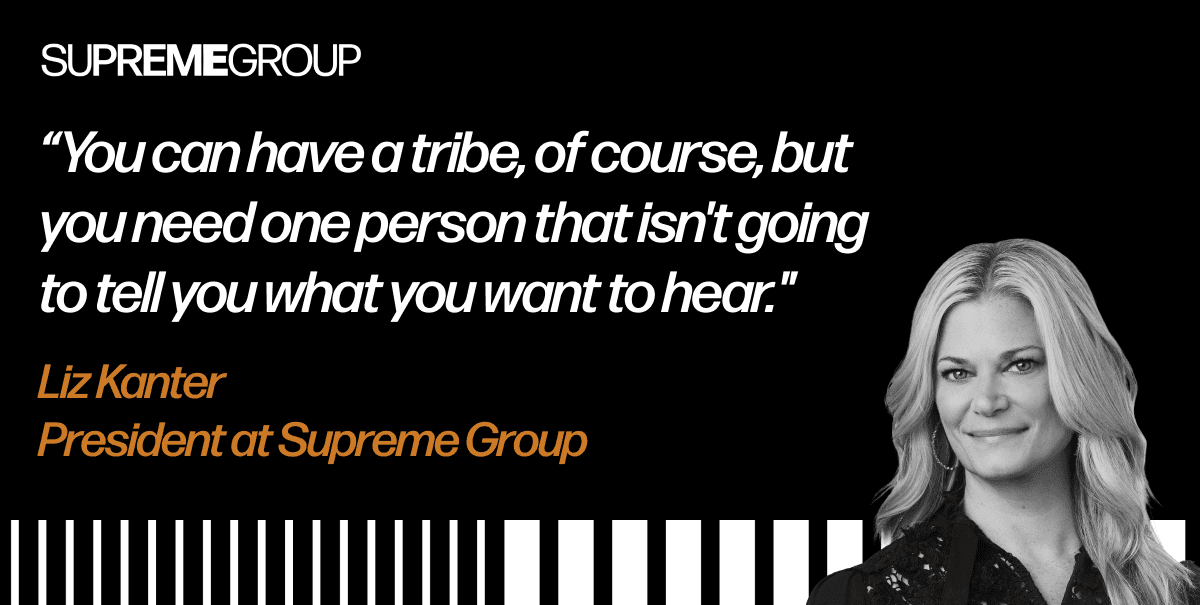
What’s also key is finding a mentor who will tell it to you like it is. I was blessed to meet my mentor four years ago, Becky Chidester. She’s a badass. If she wasn’t in my life, I wouldn’t be sitting on this podcast. She gave me good, tough love, and the confidence to say no to things I was used to saying yes to.
Eric: Nicky or Elizabeth, was mentorship key for you, too?
Nicky: Mentors were a game changer for me. I always seek a mentor inside the organization that knows what I’m navigating and can speak the same language. But I also try to have a mentor that’s outside of the industry or outside of where I sit, to give me a broader view of what’s coming around the corner.
Another game-changer was inheriting a sponsor. Someone had approached me, thought that what I was doing was remarkable, and wanted to ensure I was mentioned in rooms where I wasn’t sitting. That idea really changed my life. And ever since then, I make sure I’m sponsoring someone, and that people understand they need to have both mentors and sponsors.
Elizabeth: I’ve been really fortunate throughout my career to have true advocates. Lori Klein was my first boss when I joined the pharma ad agency world, and I attribute a lot of opportunities to her. I learned so much from her as a leader, but I can also see now that she was putting me on the radar of agency leaders. She was making sure that I shared my voice, that my point of view was coming across. She was giving me visibility that I would not have sought out on my own.
Eric: What’s your advice for someone who is early in their career, super talented, and doesn’t have a mentor? The internet has plenty of mentor-like figures, but is that a substitute?
Shannon: I’ve reached out to people I didn’t know to ask if I could pick their brain on how they got there and what the hurdles were, what they would have done differently. People are totally willing to talk, especially if you come prepared. Women especially are willing to give back and help people grow.
You can also look at mentorship and sponsorship in many ways. Yes, it can be one amazing person, but you can also learn from a lot of different people.
Be open to throwing a very directed note out on LinkedIn. You’re not hitting a hundred people with the same note, but pick out one or two industry people that you really trust and value. I don’t think it can hurt. The worst they can say is no, right?
Eric: I think you’re about to get a bunch of messages on LinkedIn, Shannon. That was an invitation.
Shannon: I talk to at least two women a week at different points in their career. I’m very open and share my journey and things I wish I would have done differently. People are always willing, you just have to ask!
Liz: It’s so true. I find myself connecting bad-ass women all the time, even when they aren’t in their early career. We can all help each other. And it’s always met with such excitement and gratitude. We’re all better together as strong women, right?
Nicky: One thing I do recommend to early-career folks is that they find expanders. These aren’t necessarily folks that they’ll reach out to yet, but rather someone they can follow across LinkedIn or Instagram that emulates what they think they want. If they do that for just a short time, it’ll become clear whether or not that’s right for them. And then they can reach out and start to ask those important questions that help further filter their ambitions.
Overcoming Challenges on the Road to Leadership
Eric: I’m curious about the challenges that you might have faced in your career journeys. Elizabeth, what challenges did you face growing Broth?
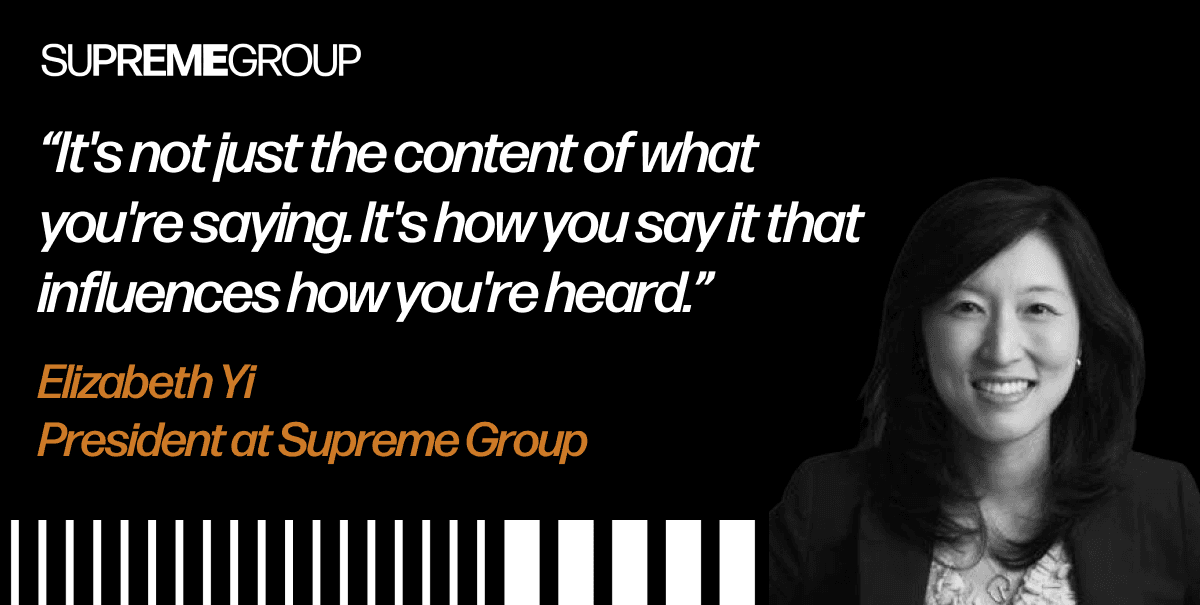
Elizabeth: A general challenge for me is that I’m a person who isn’t comfortable speaking in a group. I’ve worked on it for a long time, and I will continue to. Because it’s not just the content of what you’re saying, but it’s how you say it that influences how you’re heard. That’s made me very conscious and observant of who speaks well, who sounds good when they’re in front of a room.
I took an executive presence class at my last agency and they brought in this woman, Carol Lempert. She taught us how to adjust inflection and volume, how to use pauses when speaking, and how to adjust your body physically. All of that helps project confidence.
Eric: Makes a lot of sense. Nicky, what about you?
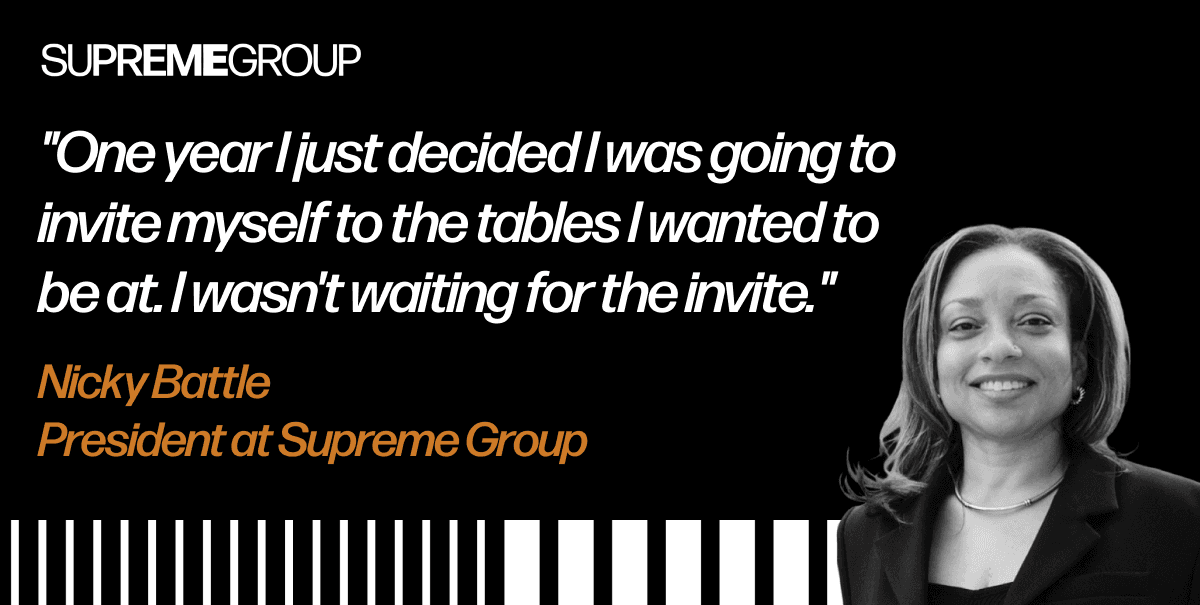
Nicky: A challenge that everyone on this call can probably relate to is that it’s not enough to be brilliant and hardworking. You won’t always be noticed for that. So you have to be purposeful in your steps. One year I just decided I was going to invite myself to the tables I wanted to be at. I wasn’t waiting for the invite. And every single time it was a resounding yes. It was so fulfilling to be part of a group because I raised my hand. Folks may be struggling with waiting for that chance. They should just go ahead and take it.
Shannon: What Nicky said, times one hundred. You can’t sit back and wait to be noticed or asked. What’s the worst they can say? “No”, or “You’re not ready”. The latter just opens the door to a great conversation for growth.
What Organizations Can Do to Support Women Leaders
Eric: Liz, I’m putting you on the spot again. What can organizations do practically to support women stepping into leadership roles?
Liz: Firstly, a shout out to Supreme Group here, because supporting women is something one doesn’t see a lot. Organizations might assign the job title, but then there’s a lack of true authority. But the minute the authority is given, for instance in financial decision-making or owning the profit and loss, it shows the organization really believes in women.
The other thing organizations need to do is invest time. When women are in roles where they take things to the next level, they need to be supported. And not just by plugging time in as a 1-to-1 call. They need intentional time investment within a support system.
Eric: Elizabeth, Nicky, Shannon, any thoughts to add?
Elizabeth: Even in the micro moments, when you’re in a meeting with other people within the organization, be aware of who is speaking. I still go into rooms with clients where I can see eyeballs and they go to the men. It’s tough and still happens. So you need to redirect, be that sponsor for everyone in the meeting.
Nicky: Totally agree. Pass the mic. I think that happens all the time here at Supreme. We’re an AI native platform, and AI is such a male dominated space. Yet here we are, as women leaders. And there was no doubt or hesitation from leadership. So to Elizabeth’s point, it’s a slight shift in behavior, but we’re passing the mic to the folks that are in this business who know what they’re doing.
Shannon: I’ve been in rooms where men cut women off constantly. Let women finish their sentences! There are amazing men who have championed me in my career, so I’m not against men. I just think if we can all be conscious of it, it would be a beautiful thing.
Advice for Early-Career Women in Healthcare Marketing
Eric: What advice would you give to early-career women aspiring to be leaders in their organizations?
Nicky: I gave this advice just yesterday: revamp your resume to tell a tight, compelling story about the impact that you have in your industry. You need to be able to tell people why you’re that girl. And a lot of people don’t have that story tight yet. Talk to your mentor to help.
Shannon: Proactively ask for feedback, and don’t wait for a yearly review. Say you want people to be honest because you want to grow.
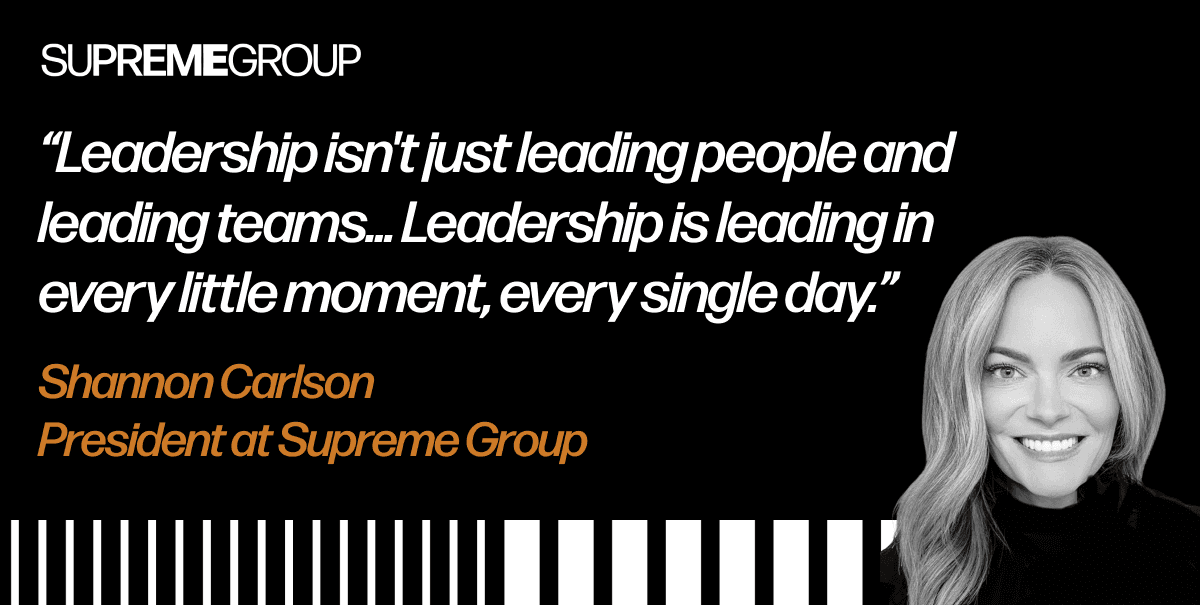
Also, just because you don’t have direct reports doesn’t mean you can’t lead. Leadership is leading in every moment, working as a team, turning negatives into positives, and so on. Those are massive leadership moments that will grow you into the leader that runs a company or a team or whatever it might be.
Liz: Believe in yourself, that you can stretch and learn and you don’t have to have all the answers. I didn’t always know exactly what I was doing, but I figured it out. There’s an expectation that we have to have it all figured out. We don’t. We can misstep, own it, and grow.
And be sure to very intentionally surround yourself with the right people, people that radiate the right energy and joy. I was surrounded by negativity for too long. The mean girl thing is real. I wish I had the courage to say something and stand up for myself more.
Eric: Standing up for yourself is an art. Any advice there?
Shannon: Work out any emotion outside of the office and then distill that down into some core facts that you can back up. Approach the conversation in a very methodical, black and white way. But, don’t become emotionless, because emotion is where some of the passion comes from. If you’re overly emotional, though, people will try to manage that, and won’t hear what you’re saying.
Nicky: In my mind, with conflict, it’s jailhouse rules. There is a small window of opportunity in which you can correct that behavior. If you don’t address it on that call, for instance, you need to address it in the next 60 minutes. Talk to the person, and give them the floor to see what they meant. Otherwise, these things fester. In this space, you need to address things quickly.
Eric: Any final nuggets of wisdom?
Nicky: One thing. Healthcare can feel a very exclusive space. But don’t let that deter you from wanting to grow and lead in this space. The folks I know that are most successful show up genuinely as themselves, so don’t be scared.
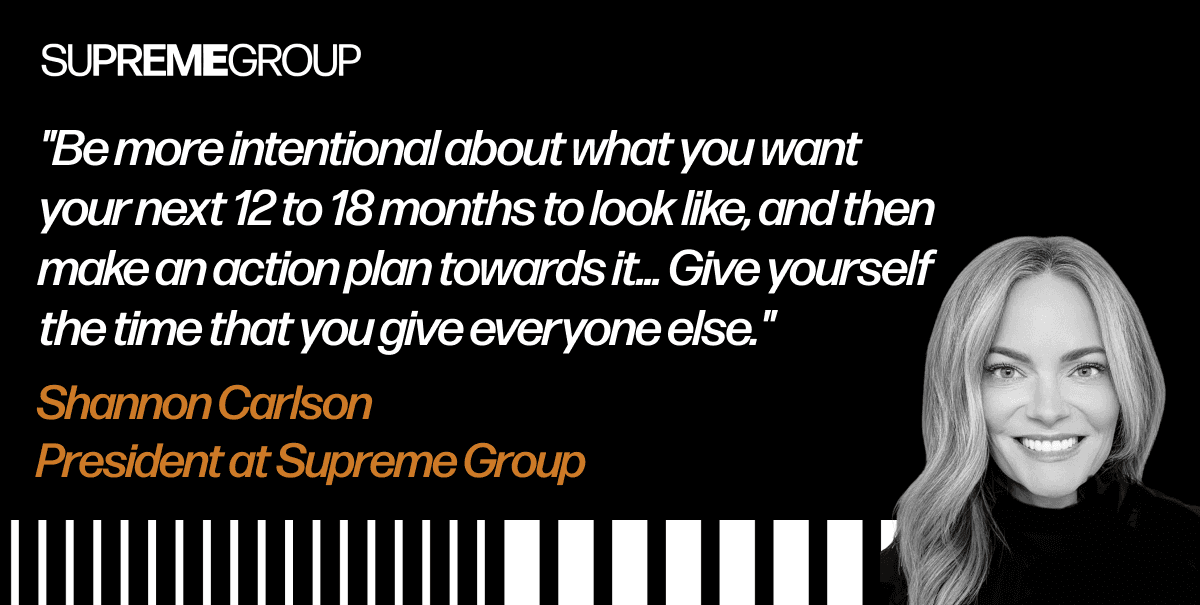
Shannon: Be more intentional about what you want your next 12 to 18 months to look like, and then make an action plan for it. We get caught up going through the motions, and your career kind of just happens sometimes. Carve out time to think about it and find mentors or sponsors to ask for that feedback. You don’t have to do all these things all at once, but it will change the trajectory of your career.
Elizabeth: Know that you’re going to be uncomfortable, and that when you’re uncomfortable, you’re learning and growing. And that’s a good thing. So do it, try it, take a risk, and you’ll grow.
The Key Takeaways From Our Conversation
Stepping into leadership in healthcare marketing is rarely straightforward. The industry can feel exclusive, and the path forward is not always visible. But as Nicky, Liz, Shannon, and Elizabeth made clear during our conversation, the women who succeed are the ones who show up authentically, seek out the right people to learn from, push themselves, and refuse to wait for permission. Sometimes the table you want to sit at is one you have to invite yourself to.
Want to hear the full conversation? You can find it on Spotify, Apple Podcasts, YouTube, or wherever you get your podcasts.

